

Authentic African streetwear is gaining global attention as over 60 percent of young designers cite cultural heritage as their main source of inspiration. For American and European Africans seeking to connect with their identity, fashion is more than trends. It’s a tool for meaningful self-expression and social impact. This guide outlines practical ways to blend personal style, celebrate heritage, and choose sustainable streetwear brands that support social justice across the USA and Europe.
Quick Summary
| Key Point | Explanation |
|---|---|
| 1. Understand your personal style | Explore how your cultural heritage influences your fashion choices by creating a visual mood board. |
| 2. Research authentic African brands | Identify African streetwear brands that honor cultural narratives and represent genuine designs in their collections. |
| 3. Curate signature cultural pieces | Select bold garments that reflect your cultural identity, incorporating traditional patterns and motifs into your wardrobe. |
| 4. Mix and match for variety | Blend different cultural pieces by focusing on color harmony and texture to create diverse, impactful outfits. |
| 5. Verify ethical sourcing | Investigate each brand’s production practices to ensure your fashion choices support cultural authenticity and sustainable practices. |
Step 1: Assess personal style and cultural inspirations
Understanding your personal style is about exploring the intersection between your cultural heritage and individual expression. Fashion intersects with cultural identity in deeply meaningful ways that go far beyond simple clothing choices.
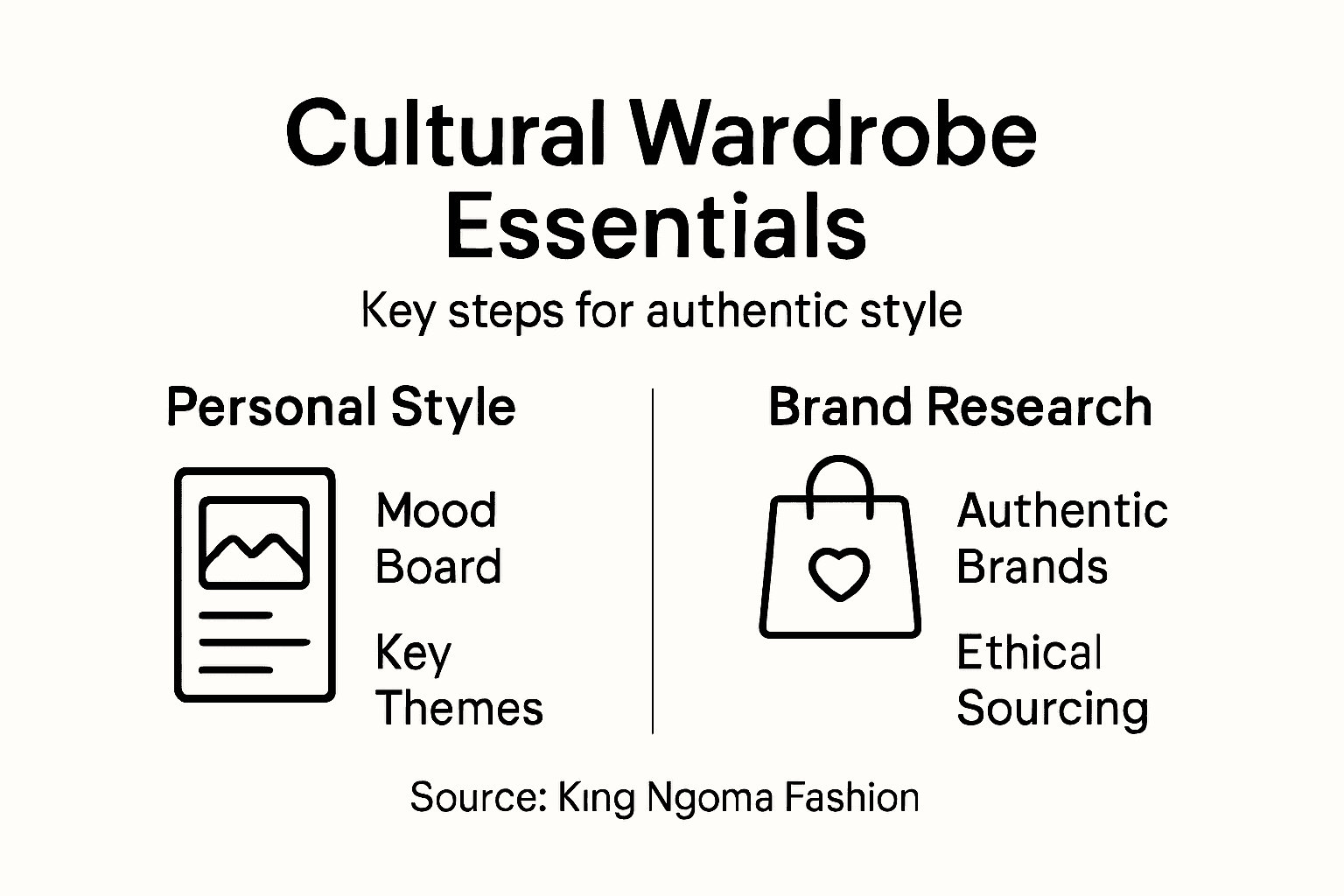
Start by creating a visual mood board that captures your cultural background and personal aesthetic. Collect images representing your family history photographs traditional clothing worn by ancestors artwork representing your cultural heritage and contemporary fashion that resonates with your personal narrative. Look for patterns colors and design elements that speak to your identity and make you feel connected to your roots.
Review your collected images and identify recurring themes colors textures and styles. These visual connections will help you understand how your cultural background shapes personal style and provides inspiration for authentic fashion choices. Pay attention to emotional responses certain designs trigger understanding that style is not just about appearance but about expressing your unique cultural story.
Pro tip: Use smartphone apps or digital platforms like Pinterest to easily curate and organize your cultural style inspiration board allowing you to refine and explore your aesthetic over time.
Step 2: Research authentic African streetwear brands
Building an authentic cultural fashion wardrobe requires thoughtful exploration of brands that genuinely represent African creativity and design. Emerging African streetwear brands are revolutionizing global fashion by blending traditional cultural elements with contemporary urban styles.
Start your research by identifying brands that go beyond surface level aesthetics and truly honor cultural narratives. Look for designers like Daily Paper from Amsterdam with Ghanaian and Nigerian roots or WAFFLESNCREAM from Nigeria that incorporate local artistic traditions into their designs. Focus on brands that demonstrate deep connections to African heritage not just through visual motifs but through storytelling manufacturing practices and community engagement.
Utilize digital platforms social media and fashion publications specializing in African design to discover emerging and established streetwear brands. Follow designers art directors and cultural curators who showcase innovative African fashion perspectives. Pay attention to how these brands represent different African regions cultural experiences and contemporary youth movements through their collections.
Pro tip: Create a dedicated digital folder or Pinterest board to collect and organize visual references from authentic African streetwear brands you discover during your research.
Here’s a summary comparing key factors when researching and selecting African streetwear brands:
| Factor | Why It Matters | What to Look For |
|---|---|---|
| Cultural Authenticity | Supports genuine heritage | Designer’s background, narrative |
| Craftsmanship Quality | Ensures longevity of garments | Material, attention to detail |
| Community Impact | Positively affects local economy | Direct involvement, fair wages |
| Design Innovation | Adds unique style to wardrobe | Blending tradition and urban flair |
Step 3: Curate signature pieces featuring bold designs
Curating signature pieces is about selecting clothing that tells your unique cultural story through powerful visual narratives. Fashion curation transcends traditional styling by transforming garments into meaningful cultural statements.

Focus on identifying bold designs that incorporate traditional African patterns geometric prints and symbolic motifs. Look for pieces that feature vibrant color palettes geometric patterns inspired by traditional textiles like kente cloth or Ankara fabric. Cultural heritage influences innovative design practices by integrating traditional elements with contemporary streetwear aesthetics. Seek out garments that balance modern silhouettes with authentic cultural references such as graphic tees with traditional symbols or jackets featuring indigenous artwork.
When selecting signature pieces consider how each item communicates aspects of your cultural identity. Prioritize designs that represent specific African regions artistic traditions or contemporary youth movements. Pay attention to craftsmanship material quality and the story behind each piece ensuring that your wardrobe becomes a curated collection of meaningful cultural expressions.
Pro tip: Invest in versatile signature pieces that can be styled multiple ways allowing you to create diverse looks while maintaining a strong cultural narrative.
Step 4: Mix and match items for versatile outfits
Creating a dynamic cultural fashion wardrobe means learning to blend pieces strategically to maximize your style potential. Cross-cultural fashion integration allows you to craft unique looks that celebrate your cultural identity while expressing personal creativity.
Start by establishing color harmony and balance when mixing different cultural pieces. Focus on complementary color palettes that create visual cohesion. Traditional clothing fusion techniques recommend pairing bold African print pieces with solid neutral colors to create balanced and sophisticated outfits. Experiment with layering a traditional kente cloth jacket over a plain white tshirt or combining an Ankara print skirt with a solid black top to create visually engaging ensembles.
Pay attention to fabric textures silhouettes and proportions when mixing items. Combine fitted pieces with looser garments create visual interest by contrasting structured jackets with flowing pants or pairing tailored shirts with relaxed streetwear elements. The goal is to create outfits that feel intentional meaningful and authentically connected to your cultural narrative.
Pro tip: Take photos of your favorite outfit combinations to build a personal style reference library that helps you quickly assemble versatile looks.
Step 5: Verify authenticity and ethical sourcing
Ensuring the integrity of your cultural fashion wardrobe means carefully investigating the origins and production practices behind each piece. Ethical sourcing in fashion requires a critical approach to understanding the full story behind your clothing.
Research brands thoroughly by examining their transparency reports supplier relationships and manufacturing practices. Look for detailed information about material sourcing labor conditions and cultural collaboration. Sustainable fashion transparency demands that brands provide clear documentation about their production processes including the specific communities and artisans involved in creating each garment. Ask direct questions about fair compensation cultural respect and environmental sustainability practices.
Pay special attention to brands that demonstrate genuine commitment to cultural authenticity. This means looking beyond surface level marketing to understand how brands actually engage with and compensate the cultural communities they represent. Seek out certifications fair trade labels and direct statements about ethical practices that show a meaningful commitment to supporting the cultural origins of their design inspirations.
Pro tip: Create a personal checklist of ethical sourcing criteria to consistently evaluate brands before making a purchase ensuring your fashion choices align with your values.
Use this quick reference guide to evaluate ethical fashion brands:
| Evaluation Area | Questions to Ask | Red Flags |
|---|---|---|
| Material Sourcing | Where are materials from? | Vague or missing info |
| Labor Conditions | Are workers fairly compensated? | No mention of wages/conditions |
| Cultural Respect | How are traditions honored? | Generic or exploitative branding |
| Transparency | Is documentation available? | Lack of public reports |
Elevate Your Cultural Fashion Journey with King Ngoma
Building a cultural fashion wardrobe that truly reflects your authentic style requires more than just clothing It demands an immersive connection to heritage ethical sourcing and bold designs that speak to your identity and values At King Ngoma we understand the challenge of finding streetwear that honors African culture while embracing modern fashion sensibilities Our curated collection offers you vibrant hoodies t-shirts and accessories crafted with sustainable practices and deep cultural authenticity so you can confidently express your story
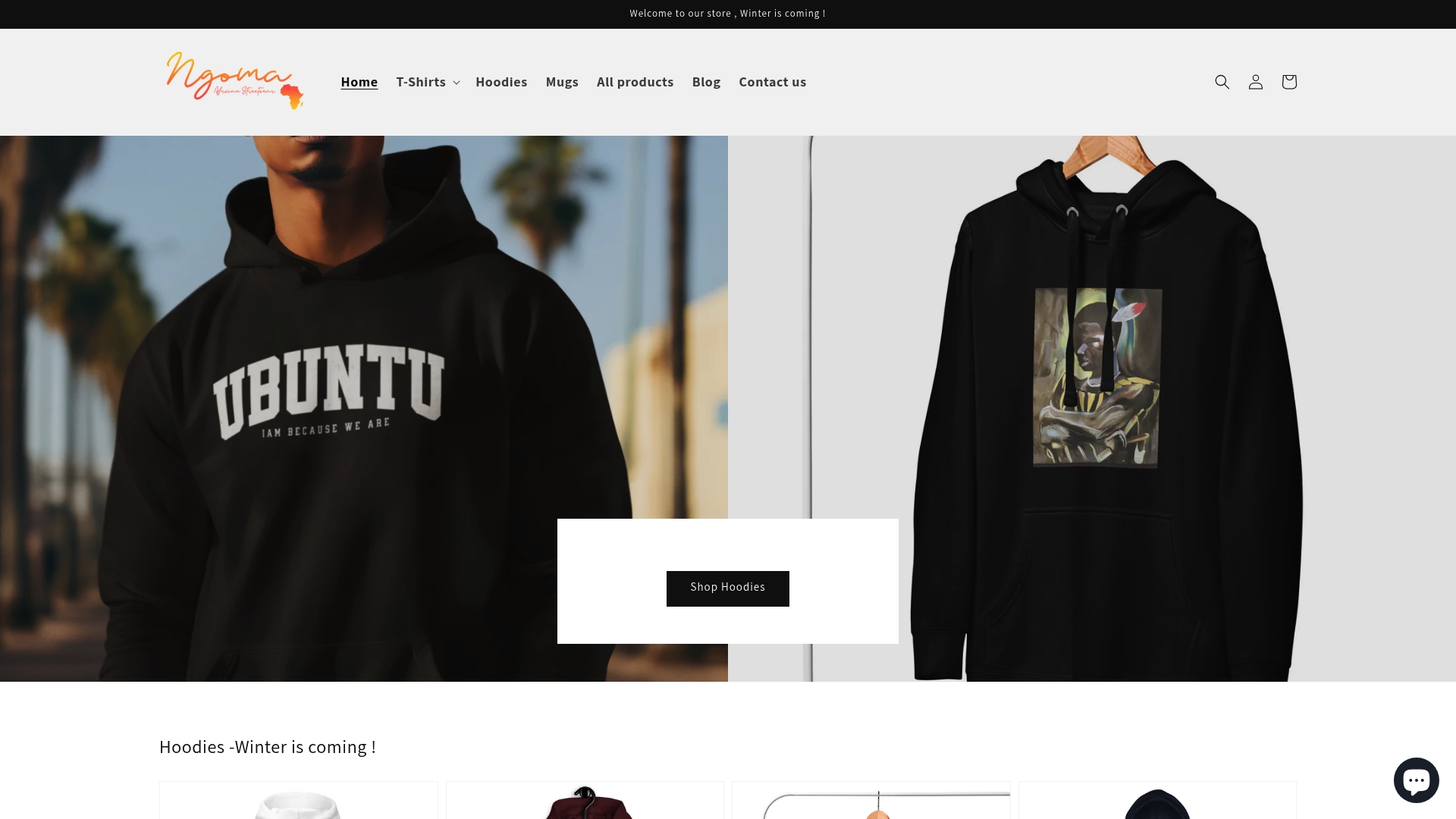
Discover how you can mix and match meaningful pieces that celebrate heritage and contemporary style Visit King Ngoma today to explore our range and join a community passionate about cultural pride and social justice Don’t wait to make your wardrobe a canvas for cultural expression Start your journey now with authentic African-inspired streetwear and bring your unique story to life through fashion
Frequently Asked Questions
How can I assess my personal style for building a cultural fashion wardrobe?
Understanding your personal style begins by exploring the intersection of your cultural heritage and individual expression. Start by creating a visual mood board that includes images representing your family history, traditional clothing, and contemporary fashion that resonates with you.
What should I look for when researching authentic cultural fashion brands?
When researching cultural fashion brands, prioritize authenticity by looking for designers who honor genuine cultural narratives. Focus on their backgrounds, how they represent cultural stories through their designs, and their engagement with the communities they draw inspiration from.
How do I curate signature pieces that reflect my cultural heritage?
To curate signature pieces, select clothing that tells a story through its design and visual elements. Look for bold designs with traditional patterns or motifs, and consider how each piece communicates aspects of your identity. Aim to create a collection that balances authenticity with modern fashion trends.
What are effective techniques for mixing and matching items in my wardrobe?
Effective mixing and matching involves establishing color harmony and balance among your clothing items. Pair bold prints with neutral colors for sophistication and experiment with layering. For example, combine a traditional jacket with a simple shirt to create a visually dynamic outfit.
How can I ensure the ethical sourcing of my cultural fashion pieces?
To ensure ethical sourcing, investigate the origins and manufacturing practices of each piece you consider. Look for transparency in how brands source materials and treat their workers, and verify if they provide fair wages and respect for cultural traditions. Create a checklist of criteria to evaluate brands consistently.
Why is it important to understand cultural authenticity in fashion?
Understanding cultural authenticity is crucial because it fosters respect for the heritage and narratives behind the designs. It allows you to make informed choices that not only reflect your personal style but also support the communities and artisans involved in creating authentic cultural fashion.