

Bold African streetwear has sparked a movement among young adults of African descent across Europe and the USA. More than 60 percent see fashion as a way to embrace heritage and let their voices for change be seen and heard in American cities, from London’s underground scene to New York’s crowded streets. This guide empowers you to decode your roots, mix vibrant patterns, and wear every piece as a statement of cultural pride and meaningful unity.
Table of Contents
- Step 1: Identify Your Cultural Inspiration
- Step 2: Select Bold African Streetwear Pieces
- Step 3: Mix and Match Vibrant Colors and Patterns
- Step 4: Accessorize for Cultural Authenticity
- Step 5: Review and Adjust Your Look
Quick Summary
| Essential Insight | Clarification |
|---|---|
| 1. Understand Your Cultural Roots | Research your family heritage and traditional designs to inspire your streetwear style. |
| 2. Choose Statement Pieces Wisely | Select bold clothing that blends traditional elements with modern aesthetics for maximum impact. |
| 3. Master Color and Pattern Mixing | Use a dominant print and complementary colors to create visual harmony in your outfits. |
| 4. Accessorize with Purpose | Select accessories that narrate cultural significance and support authentic craftsmanship. |
| 5. Review for Cohesion and Meaning | Regularly assess your outfits for balance and intention to ensure they accurately reflect your identity. |
Step 1: Identify Your Cultural Inspiration
Styled African streetwear starts with understanding your personal cultural narrative. Your journey begins by exploring the rich tapestry of African heritage that resonates most deeply with your individual background and experience.
Start by mapping out your family’s ancestral roots. Research traditional patterns, color schemes, and symbolic designs from your specific ethnic region. Whether you have connections to West African Yoruba traditions, East African Maasai aesthetics, or Southern African Zulu craftsmanship, each cultural lineage offers unique visual languages waiting to be interpreted through contemporary fashion. Look into traditional textile patterns that carry generational stories and meanings.
Spend time connecting with elders in your community or family who can share insights about historical clothing styles, meanings behind specific color combinations, and cultural symbolism. Online resources like documentaries, cultural museums, and academic texts can supplement these personal conversations. Your goal is not just replicating traditional designs but understanding their deeper significance and reimagining them through a modern streetwear lens.
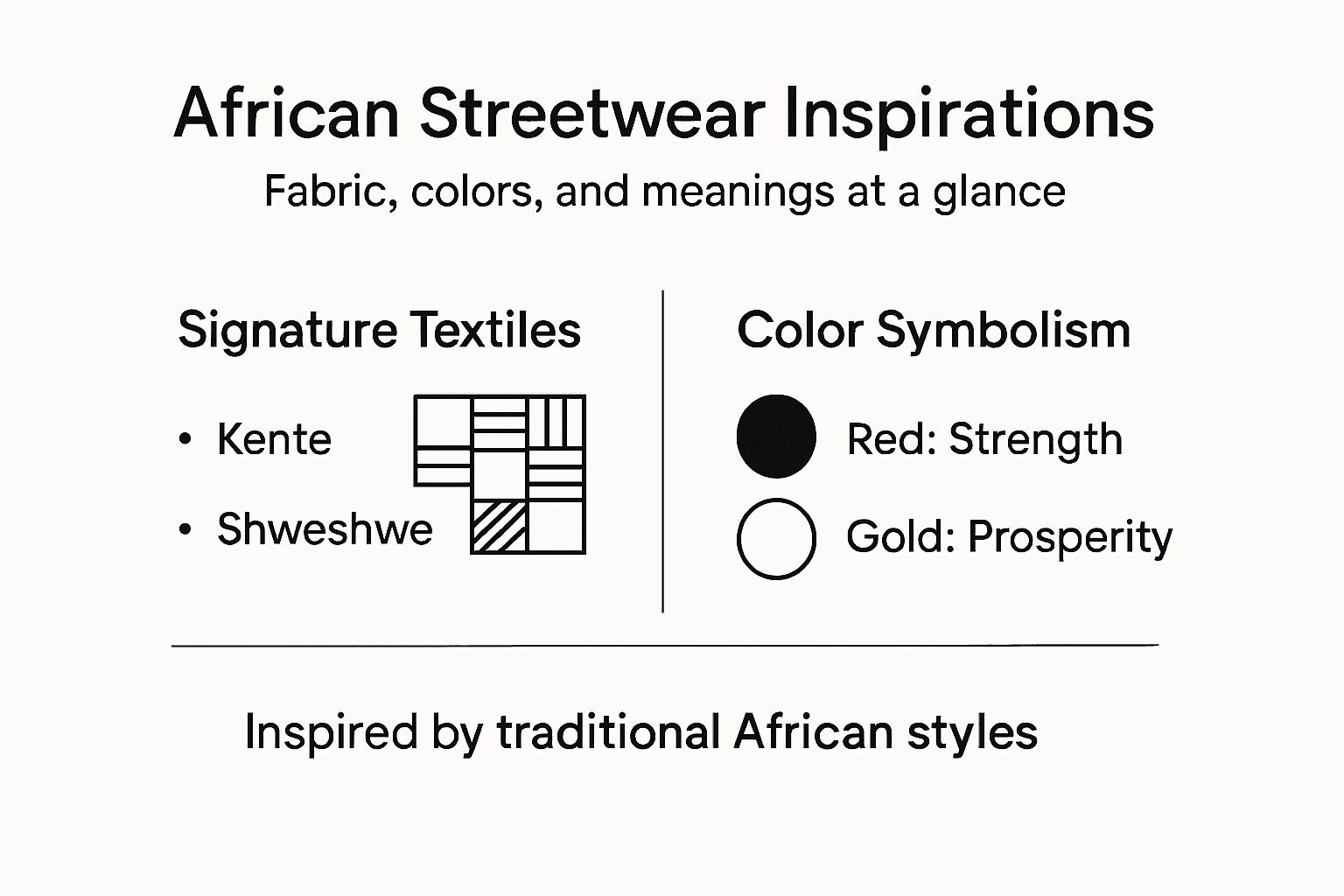
Here is a summary of African textile regions and their distinctive features:
| Region | Signature Textile | Common Colors | Notable Symbolism |
|---|---|---|---|
| West Africa | Kente cloth | Gold, green, red | Royal heritage, strength |
| East Africa | Maasai beadwork | Red, blue, white | Community, bravery |
| Southern Africa | Shweshwe fabric | Indigo, brown, pink | Ancestry, celebration |
| Central Africa | Kuba raffia | Earth tones, black | Status, tradition |
Pro tip: Keep a digital mood board or sketchbook documenting your cultural research discoveries to help visualize how traditional elements might translate into your personal streetwear style.
Step 2: Select Bold African Streetwear Pieces
Bold African streetwear is about making a powerful statement that connects you with your cultural roots while expressing contemporary style. Your goal is to curate pieces that communicate your heritage with confidence and creativity.
Begin by exploring bold African fabric transformations that blend traditional textiles with modern urban aesthetics. Look for statement pieces like Kente cloth jackets, waxprint trousers, or Adire print bucket hats that showcase intricate patterns and vibrant color palettes. Focus on items that offer versatility and can be mixed with your existing wardrobe staples. Consider unisex designs that provide flexibility and allow for personal interpretation of cultural expression.
When selecting pieces, prioritize authenticity and meaningful design. Seek out garments that feature traditional motifs with contemporary cuts or streetwear silhouettes. Pay attention to the craftsmanship and story behind each piece. Some designs might incorporate symbols representing strength, community, or historical resistance. Aim for pieces that not only look stylish but also carry deep cultural significance.
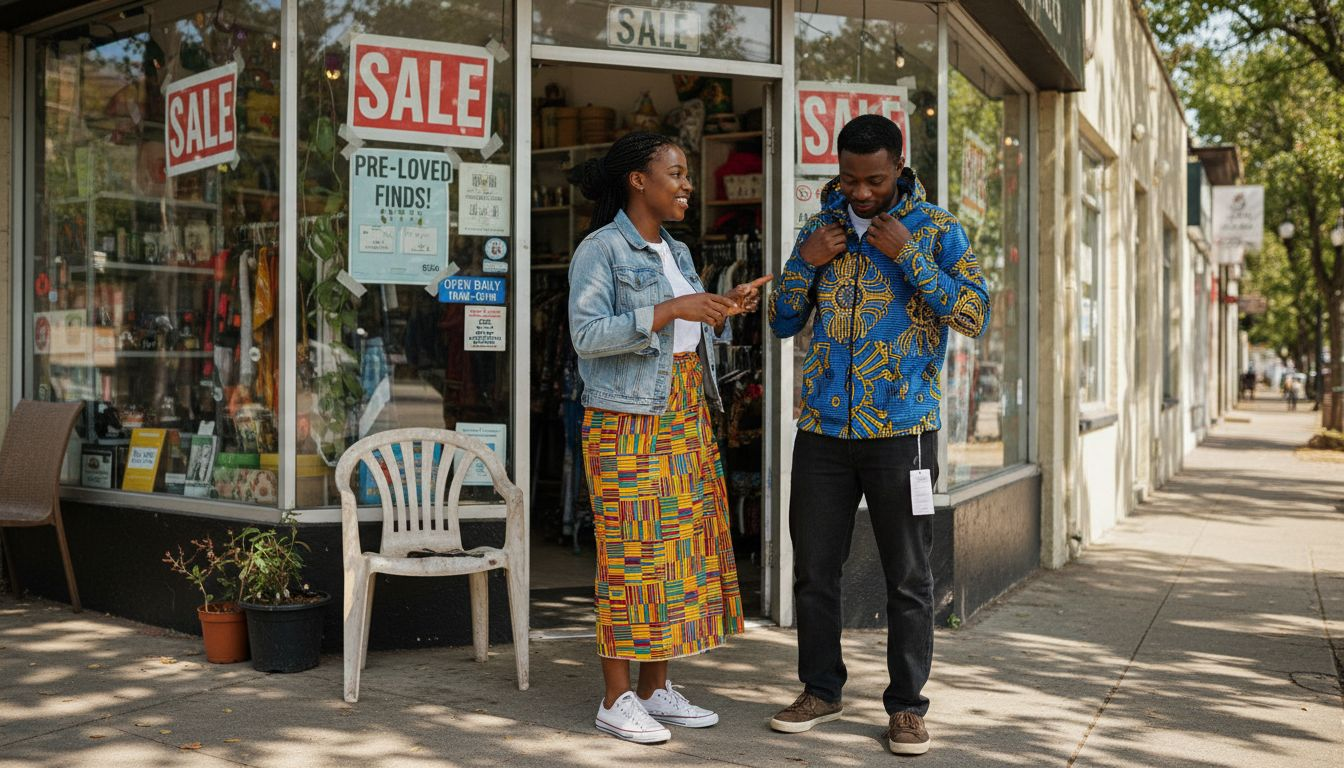
Pro tip: Mix traditional African print elements with neutral modern basics to create a balanced streetwear look that feels both respectful of heritage and fashion forward.
Step 3: Mix and Match Vibrant Colors and Patterns
Mastering the art of mixing vibrant African streetwear colors and patterns is about creating a visual language that tells your unique cultural story. Your goal is to craft an ensemble that speaks volumes about your heritage while showcasing your personal style sensibility.
Start by understanding color relationships and pattern dynamics. Select a dominant print as your statement piece the Kente cloth jacket or waxprint trousers then build complementary layers around it. Look for colors within the primary pattern that can be echoed in your accessories or secondary clothing items. Aim to create visual harmony without overwhelming the eye. Some traditional African textiles feature complex geometric designs or symbolic motifs that can serve as excellent anchors for your overall look.
Dont be afraid to experiment with unexpected color combinations and scale of patterns. Smaller geometric prints can balance larger bold designs. Consider incorporating solid color pieces in rich earth tones or deep jewel colors that pull from your statement piece to create cohesion. Balance is key balance between traditional textile designs and contemporary streetwear aesthetics means your outfit becomes a powerful form of cultural expression.
Pro tip: Use a color wheel as your guide when mixing patterns create visual interest by selecting complementary or analogous colors that enhance rather than compete with each other.
Step 4: Accessorize for Cultural Authenticity
Accessorizing African streetwear is about telling a nuanced story of cultural pride through carefully selected pieces that honor your heritage. Your accessories are not just embellishments but powerful narrative tools that communicate depth and personal connection.
Look for cultural heritage accessories that showcase traditional craftsmanship and meaningful design. Consider handcrafted jewelry featuring symbolic motifs like Adinkra symbols from Ghana or beadwork from Maasai traditions. Explore headwear like kufis or traditional woven hats that represent specific cultural regions. Seek out accessories made by artisan communities that directly support indigenous craftspeople and maintain authentic production techniques.
Be intentional about the cultural significance behind each accessory. A beaded necklace might represent community connections. A specific style of bracelet could symbolize ancestral lineage. Aim to understand the stories embedded in traditional accessories and how they translate into contemporary streetwear. Mix contemporary pieces with traditional elements to create a dynamic personal style that bridges historical roots with modern expression.
Pro tip: Research the specific cultural meanings behind traditional accessories to ensure you are representing your heritage with genuine respect and understanding.
Here’s a quick comparison of popular African streetwear accessories and their cultural meanings:
| Accessory Type | Cultural Origin | Symbolic Meaning | Typical Material |
|---|---|---|---|
| Adinkra necklace | Ghana | Wisdom and unity | Brass, carved wood |
| Maasai beaded belt | Kenya/Tanzania | Social identity, creativity | Glass beads, leather |
| Kufi hat | West Africa | Respect, spirituality | Woven cotton, velvet |
| Zulu bangle | South Africa | Status, ancestral pride | Metal, colorful beads |
Step 5: Review and Adjust Your Look
Reviewing and refining your African streetwear ensemble is about creating a cohesive narrative that authentically represents your cultural identity. This final step transforms your outfit from a collection of pieces into a powerful personal statement.
Start by taking a full length mirror assessment. Examine how your individual pieces work together examining color balance pattern interaction and overall visual harmony. Look for moments where traditional elements connect with contemporary streetwear aesthetics. Consider whether each piece truly reflects your intended cultural expression. Some items might need slight repositioning or swapping to create a more balanced and meaningful look.
Be critical yet compassionate with your styling choices. Your goal is not perfection but genuine representation. Pay attention to how accessories complement your primary clothing pieces. Check that your color combinations feel intentional and meaningful. Ask yourself if the outfit tells the story you want to communicate about your heritage and personal style. Sometimes subtle adjustments like rolling up a sleeve or changing a single accessory can dramatically transform the entire aesthetic.
Pro tip: Take a smartphone photo of your final outfit to objectively assess how all elements work together from an outside perspective.
Elevate Your Authentic African Streetwear Style Today
The challenge of styling African streetwear lies in finding pieces that honor cultural heritage while expressing your unique contemporary identity. This article highlights key goals like selecting bold textiles, mixing vibrant patterns, and accessorizing with cultural authenticity. If you want to overcome uncertainty when blending tradition and modern streetwear fashion, King Ngoma offers a curated collection that supports your journey toward confident cultural expression.
Discover authentic, ethically made garments such as our eye-catching Hoodies and versatile T-Shirts designed to bring traditional African aesthetics into your everyday wardrobe.
Step into your heritage with style that speaks true by exploring the full range of King Ngoma featured apparel. Visit https://kingngoma.com now and build a streetwear look that confidently tells your cultural story with every step you take.
Frequently Asked Questions
How can I identify my cultural inspiration for African streetwear?
Start by exploring your family’s ancestral roots and researching traditional patterns and designs from your specific ethnic background. Create a mood board to document your findings and gather ideas for how to incorporate these elements into your personal style.
What bold pieces should I consider when selecting African streetwear?
Focus on statement items that blend traditional textiles with contemporary styles, such as Kente cloth jackets or waxprint trousers. Prioritize versatility and authenticity, ensuring each piece tells a meaningful story about your cultural heritage.
How do I effectively mix and match colors and patterns in African streetwear?
Begin by selecting a primary statement piece and then choose complementary layers based on the colors in that piece. Use a color wheel to guide your choices, ensuring a harmonious balance between traditional designs and your personal aesthetic.
What types of accessories are important for adding cultural authenticity?
Choose handcrafted accessories that showcase traditional craftsmanship, such as beaded jewelry or specific cultural hats. Research the symbolism behind these items to ensure they authentically represent your heritage.
How can I review and adjust my African streetwear look for better coherence?
Take a full-length mirror assessment to evaluate how your pieces work together in terms of color and pattern. Make small adjustments to achieve a balanced representation of your culture while expressing your personal style and narrative.