

Streetwear is more than just fashion for young African and American millennials—it is a bold way to spark change and celebrate heritage. In Europe and the USA, demand for clothing that goes beyond trends is rising fast, with over 60 percent of American millennials saying social impact influences their buying choices. This movement transforms streetwear into a tool for activism, giving you space to honor African roots and champion justice with every outfit.
Table of Contents
- Defining Streetwear’s Role in Activism
- Types of Activist Messaging Through Clothing
- Major Movements Shaped by Streetwear
- Streetwear as Community and Identity Builder
- Ethical and Commercial Dilemmas in Activist Fashion
- African-Inspired Streetwear and Social Change
Key Takeaways
| Point | Details |
|---|---|
| Streetwear as Activism | Streetwear serves as a dynamic platform for social expression, empowering marginalized voices through fashion choices. |
| Visual Language of Clothing | Activist clothing communicates complex narratives and cultural identities, transcending traditional methods of protest. |
| Ethical Challenges | Brands face dilemmas in balancing authentic social messaging with commercial interests, requiring a commitment to transparency and ethical practices. |
| Cultural Representation | African-inspired streetwear challenges colonial narratives and celebrates indigenous identities, serving as a medium for cultural dialogue and resistance. |
Defining Streetwear’s Role in Activism
Streetwear has evolved far beyond simple clothing - it’s now a powerful medium for social expression and cultural commentary. Contemporary fashion researchers recognize streetwear as more than apparel; it’s a dynamic communication platform where personal identity intersects with broader social movements.
At its core, streetwear functions as a visual language enabling marginalized communities to communicate complex narratives about resistance, solidarity, and cultural pride. By transforming clothing into a canvas for social messaging, young activists leverage graphic designs, symbolic imagery, and strategic color choices to amplify voices often overlooked in mainstream discourse. Streetwear’s social activism potential represents a sophisticated form of nonverbal communication that transcends traditional protest methods.
The power of streetwear activism lies in its accessibility and immediate visual impact. Unlike formal political statements, streetwear allows individuals to express nuanced cultural identities and social critiques through everyday fashion choices. Whether highlighting African heritage, challenging systemic inequalities, or celebrating community resilience, these clothing items become walking billboards of personal and collective experiences.
Pro tip: Choose streetwear pieces that authentically represent your cultural narrative and social values, transforming fashion into a meaningful form of personal activism.
Types of Activist Messaging Through Clothing
Activist clothing serves as a powerful visual vocabulary for expressing complex social narratives and cultural identities. Nonverbal communication strategies reveal how garments transform from mere fabric into potent instruments of social commentary, enabling individuals to communicate deep political and cultural messages without uttering a single word.
Historically, clothing has been a pivotal medium for social movements. Fashion activism examples demonstrate how specific clothing choices can symbolize resistance and solidarity. From the suffragette’s strategic white dresses signaling unity to the Black Panthers’ iconic leather jackets representing racial pride, each garment becomes a walking statement of collective identity and social resistance.
Contemporary activist messaging through clothing typically manifests in several distinct forms: graphic protest slogans that directly challenge systemic inequalities, culturally significant color palettes representing heritage and resistance, symbolic imagery that reclaims historical narratives, and design elements that highlight marginalized community experiences. These clothing types function not just as fashion statements but as nuanced forms of political discourse, allowing wearers to communicate complex social critiques through intentional aesthetic choices.
Pro tip: Select streetwear pieces that incorporate meaningful cultural symbols and design elements, transforming your personal style into a powerful platform for social dialogue.
Major Movements Shaped by Streetwear
Streetwear has emerged as a transformative cultural force, deeply intertwined with social movements and youth rebellion. Streetwear’s underground origins reveal how this fashion genre evolved from niche subcultures into a powerful platform for cultural expression, bridging music, art, and social activism.
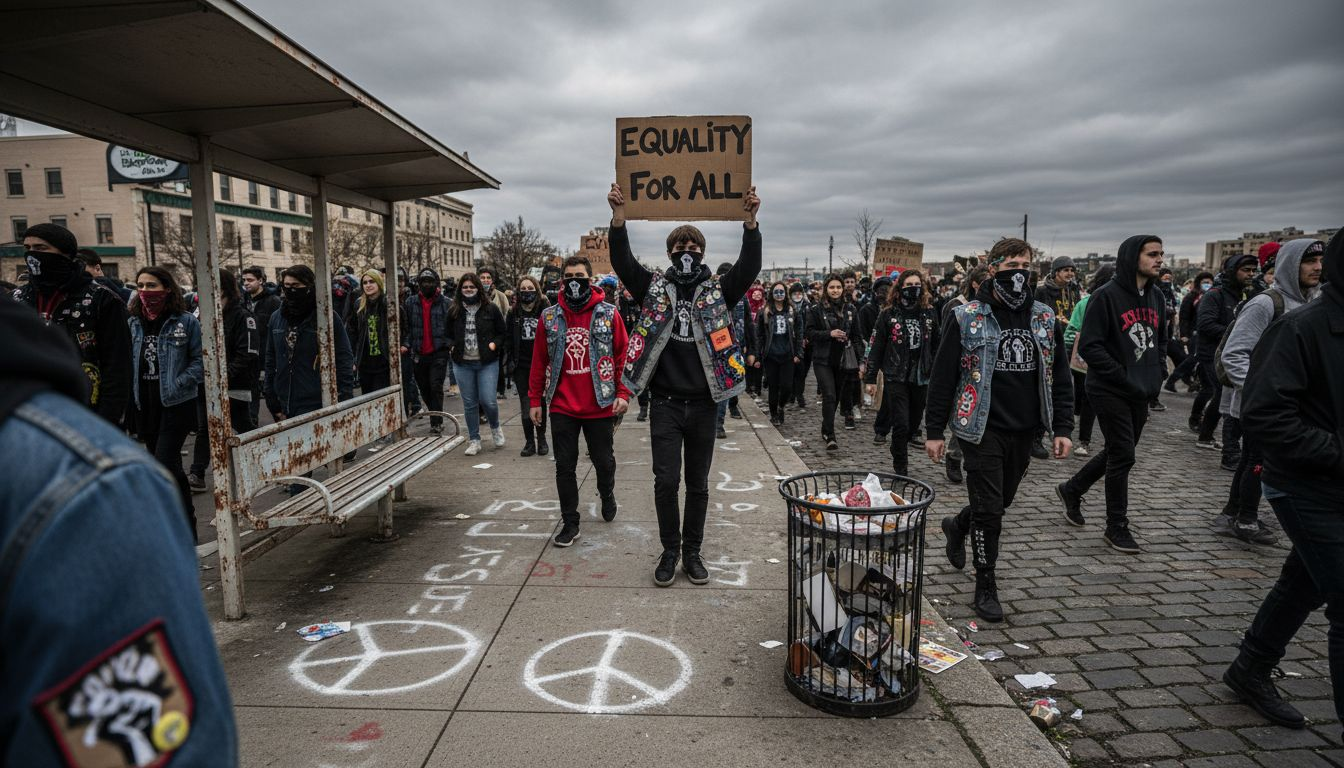
Key movements have been fundamentally reshaped by streetwear’s aesthetic and philosophical approaches. Global cultural transformation demonstrates how hip-hop, skateboarding, and urban art communities leveraged clothing as a medium of resistance and identity. From the Black Panthers’ distinctive style to hip-hop’s bold graphic statements, streetwear became a visual language communicating complex narratives of empowerment, resistance, and cultural pride.
Beyond aesthetic expression, streetwear has played a critical role in amplifying marginalized voices. Skate culture’s rebellious spirit, hip-hop’s socio-political commentary, and graffiti art’s urban resistance have all found representation through distinctive clothing styles. These movements used fashion as a tool to challenge societal norms, create collective identities, and visually articulate experiences of systemic exclusion and cultural resilience.
Here’s a comparison of key activist streetwear movements and their cultural impact:
| Movement | Signature Style | Core Message | Lasting Impact |
|---|---|---|---|
| Black Panthers | Leather jackets, berets | Racial pride, unity | Inspired global resistance iconography |
| Hip-Hop Culture | Bold graphics, logos | Empowerment, self-expression | Mainstreamed activist messaging |
| Skateboarding | Loose fits, DIY designs | Rebellion, youth autonomy | Drove niche to global influence |
| African Streetwear | Traditional motifs, vibrant colors | Cultural identity, heritage | Redefined modern African narratives |
Pro tip: Research the historical and cultural significance behind different streetwear styles to understand how clothing can be a powerful form of social communication and resistance.
Streetwear as Community and Identity Builder
Streetwear’s cultural significance extends far beyond mere clothing, emerging as a powerful mechanism for building community and constructing individual and collective identities. For marginalized communities, streetwear represents more than fashion - it’s a dynamic platform for self-expression, cultural connection, and social belonging.
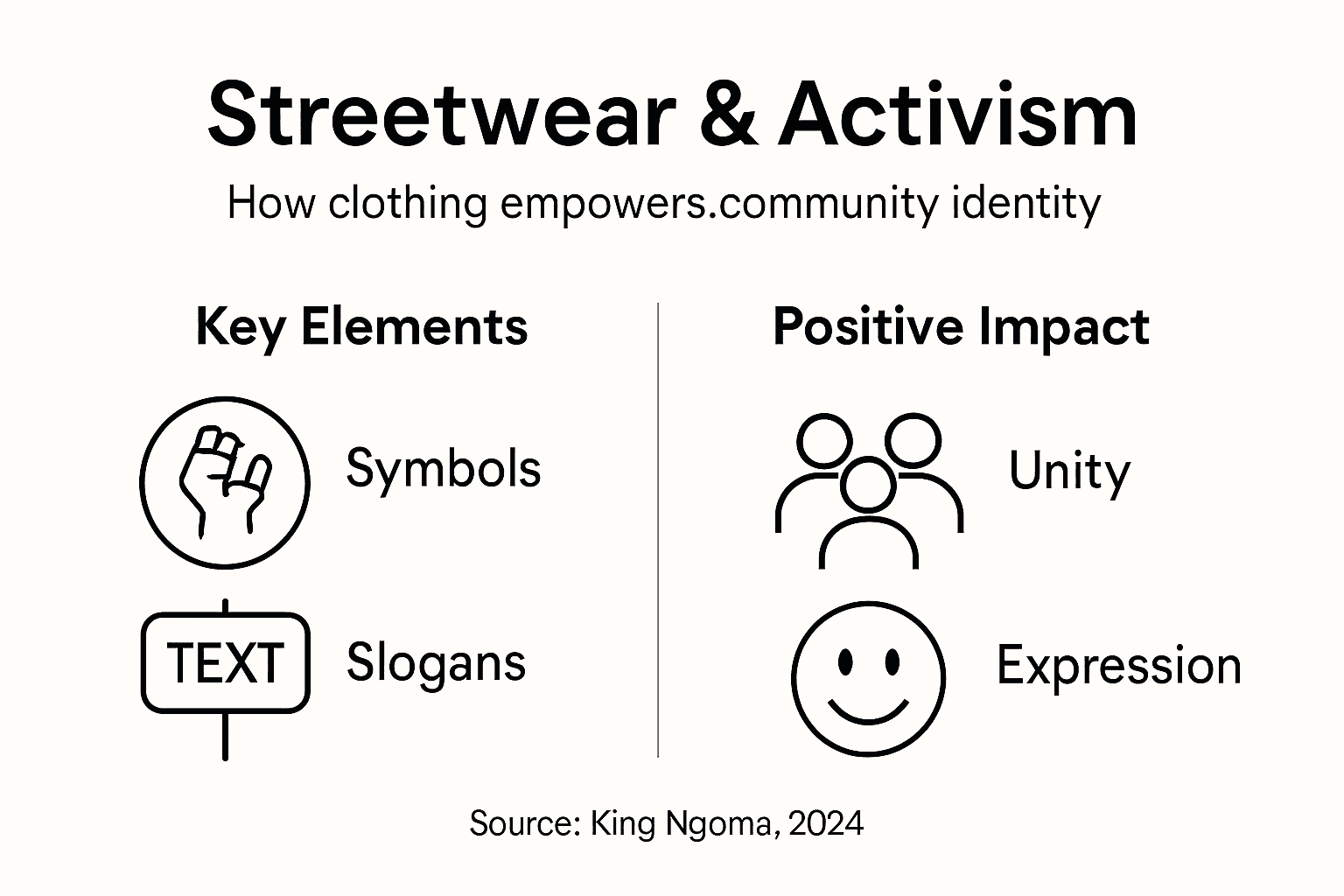
Millennial social bonding through streetwear demonstrates how clothing becomes a sophisticated communication tool. Each graphic, color choice, and design element serves as a visual language that communicates complex personal narratives, cultural heritage, and social values. These clothing items transform into symbolic markers that help individuals signal their affiliations, beliefs, and cultural backgrounds without uttering a single word.
The community-building power of streetwear lies in its ability to create shared experiences and collective identities. Streetwear enthusiasts form tight-knit communities around specific styles, brands, and cultural movements, transcending geographical and demographic boundaries. These communities provide support, validation, and a sense of belonging, particularly for young people navigating complex social landscapes and seeking authentic connections with like-minded individuals.
Pro tip: Explore streetwear communities online and offline to find spaces that genuinely reflect your cultural identity and personal style.
Ethical and Commercial Dilemmas in Activist Fashion
Fashion industry’s ethical complexities reveal a profound tension between social activism and commercial interests. Activist fashion brands navigate a challenging landscape where authentic social messaging must coexist with economic sustainability, creating a delicate balance between genuine advocacy and market-driven imperatives.
Activist leadership challenges highlight the nuanced risks of commodifying social movements. Brands must constantly negotiate the fine line between meaningful representation and potential appropriation, ensuring that their activist messaging remains genuine rather than becoming a superficial marketing strategy. This requires deep commitment to understanding the social contexts and lived experiences of the communities they aim to represent.
The core dilemma emerges from the potential disconnect between a brand’s stated social mission and its actual practices. Consumers increasingly demand transparency, seeking brands that demonstrate genuine commitment to social change through ethical manufacturing, fair labor practices, and meaningful community engagement. This scrutiny has transformed activist fashion from a niche market to a critical space where social responsibility and commercial viability must coexist harmoniously.
This table outlines dilemmas faced by activist fashion brands:
| Dilemma | Brand Challenge | Consumer Expectation |
|---|---|---|
| Authentic Messaging | Balancing ethics and sales | Transparency in values |
| Cultural Appropriation | Understanding communities | Respectful representation |
| Commodification | Avoiding superficial campaigns | Genuine advocacy, not just trend |
| Labor Practices | Fair sourcing and wages | Ethical production standards |
Pro tip: Research brand backgrounds thoroughly and support activist fashion companies that demonstrate consistent, verifiable commitments to social justice beyond superficial marketing claims.
African-Inspired Streetwear and Social Change
African-inspired streetwear represents a powerful narrative of cultural resilience, political expression, and identity reclamation. African streetwear in 2023 demonstrates how clothing becomes a dynamic medium for storytelling, transforming personal style into a profound statement of heritage and resistance.
The aesthetic of African-inspired streetwear goes beyond visual appeal, serving as a critical platform for social dialogue. By incorporating traditional patterns, symbolic graphics, and colors deeply rooted in African cultural contexts, these garments challenge colonial narratives and celebrate indigenous creativity. Hip hop’s streetwear influence further amplifies this narrative, showing how music and fashion intersect to create powerful statements of cultural pride and social consciousness.
Moreover, African-inspired streetwear functions as a form of soft power, challenging global perceptions and reconstructing narratives about African identity. Each design becomes a deliberate act of cultural preservation, economic empowerment, and social commentary. By wearing these garments, individuals transform themselves into walking conversations about history, resilience, and contemporary African experiences.
Pro tip: Select streetwear pieces that connect directly to specific cultural narratives, ensuring your fashion choices reflect authentic representation and meaningful cultural dialogue.
Empower Your Identity with African-Inspired Streetwear That Speaks Volumes
The article highlights how streetwear is more than fashion — it is a form of activism that empowers identity, builds community, and conveys powerful social messages. If you seek clothing that genuinely embodies cultural pride, social justice, and authentic storytelling through bold African aesthetics then you will appreciate what we offer at King Ngoma. Our ethically crafted pieces use traditional motifs and vibrant designs to help you turn personal style into a platform for meaningful cultural dialogue.
Explore our curated African-inspired streetwear collection and wear your values with confidence today. Visit King Ngoma to find hoodies, t-shirts, and accessories that fuse style with social impact. Start making your everyday fashion a statement of identity and empowerment now.
Frequently Asked Questions
How does streetwear function as a tool for activism?
Streetwear acts as a visual language that enables marginalized communities to express their identity and address social issues through clothing, using graphic designs and symbolic imagery to convey messages of resistance and cultural pride.
What types of messages are commonly expressed through activist streetwear?
Activist streetwear often features graphic protest slogans, culturally significant colors, and symbolic imagery that highlight issues like systemic inequalities, cultural heritage, and community resilience, turning fashion into a medium for political discourse.
How can individuals leverage streetwear for personal activism?
Individuals can choose streetwear items that authentically represent their cultural narratives and social values, using their fashion choices to communicate their beliefs and foster conversations around important social issues.
What are the ethical considerations for brands in activist fashion?
Brands in activist fashion face challenges such as balancing genuine advocacy with commercial interests, avoiding cultural appropriation, and ensuring transparency in labor practices, which requires a serious commitment to ethical and sustainable practices.